


The Genesis Protocol - Complete Cellular Defense System (13-in-1)
The Genesis Protocol - Complete Cellular Defense System (13-in-1)
The Genesis Protocol is the most complete 13-ingredient bundle designed to disrupt the mitochondrial-stem cell connection that drives abnormal cell progression.
✓ Starves the cells you don't want, feeds the ones you do
✓ Restores natural cellular energy production
✓ 13 synergistic ingredients working together, not one at a time
✓ Backed by peer-reviewed research and real patient outcomes

Is it safe to start right away, even with my current treatments?
Is it safe to start right away, even with my current treatments?
Fenbendazole and Ivermectin have established safety profiles from decades of human use in other contexts. The supplements included — Vitamin D3, Curcumin, Turkey Tail — are widely used in integrative oncology settings.
The most common side effect is mild GI discomfort in week one. It typically resolves as your body adjusts.
This protocol was designed to run alongside your existing treatment plan. Share the full ingredient list with your oncologist — we include documentation to make that conversation easier.
How do I get started and know the right dosage?
How do I get started and know the right dosage?
Every order includes a free comprehensive dosing guide with three tiers:
• Gentle: 222mg Fenbendazole, 3 days on / 4 days off — for week one
• Intermediate: 444mg, 3 days on / 4 days off
• Intensive: Up to 1,000mg daily
Ivermectin scales by body weight. The guide covers everything — daily schedules, food timing, and how to adjust based on how you feel. We recommend starting at the gentle tier and scaling up after week one.
What if it doesn't work for me?
What if it doesn't work for me?
90 days. Full refund. No questions.
If you don't notice meaningful improvements in energy, vitality, or how you feel within 90 days, we'll refund every dollar. Not store credit. Your money back.
We offer this because the research gives us confidence — and we want you to have that same confidence before you start.


Your Complete Dosing Guide & Dietary Protocol
What's included with every order
Your Complete Dosing Guide & Dietary Protocol
Two documents. One explains exactly how to take every ingredient. The other explains how to structure your diet so your body can actually absorb what you're taking.
Sent automatically after your order
The Daily Dosing Guide
The full guide covers stage-specific dosing for all 13 ingredients, exact timing, liver monitoring schedules, and cycling protocols. Below is the core framework — enough to understand the approach before your order arrives.
The Three Dosing Windows
🌅 Morning — With High-Fat Breakfast
Fenbendazole · 222mg capsule
Take with fat for absorption — 120 capsules per bottle
Curcumin + Black Pepper · 600mg capsule
Piperine boosts absorption 2,000% — 60 capsules per bottle
Vitamin D3 + K2 · 50,000 IU D3 / 100mcg K2 softgel
Fat-soluble — requires fat at meal — 30 softgels per bottle
Black Seed Oil · 1,000mg softgel
Antioxidant and detox support — 30 softgels per bottle
☀️ Midday — Empty Stomach
Modified Citrus Pectin · 5g powder scoop
Separate from everything else 30+ min — 60 scoops per container
Turkey Tail Mushroom · 1,000mg capsule
Empty stomach only — 2+ hrs after food — 30 capsules per bottle
Lactoferrin · 500mg capsule
Empty stomach for best absorption — 60 capsules per bottle
Liposomal Vitamin C · 1,000mg packet
Liposomal delivery for enhanced absorption — 120 packets per box
🌙 Evening — With High-Fat Dinner
Ivermectin · 12mg tablet
Fat required — take with dinner — 60 tablets per bottle
CBD Oil · 25mg per ml
Fat dramatically improves absorption — 30ml bottle
Milk Thistle · 250mg capsule (80% silymarin)
Supports overnight liver processing — 60 capsules per bottle
Green Tea Extract · 500mg capsule (50% EGCG)
Separate from Curcumin by 6+ hours — 60 capsules per bottle
Zinc + Copper · 50mg Zinc / 2mg Copper tablet
Maintains mineral balance — 60 tablets per bottle
Stage-Specific Cycling
Stage 1–2 (Conservative)
Fenben: 3 on / 4 off · IVM: 3×/week · Liver: quarterly
Stage 3 (Transitional)
Fenben: 5 on / 2 off · IVM: daily→5×/wk · Liver: monthly
Stage 4 (Aggressive)
Fenben: continuous · IVM: daily · Liver: every 2 weeks
⚠️ Critical Reminders
- No grapefruit — alters Fenbendazole and Ivermectin metabolism
- 15–20g fat at every meal with fat-soluble supplements
- Turkey Tail, MCP, Lactoferrin — empty stomach only
- Liver enzymes >2× normal — stop Category A immediately
📧 Full guide emailed after purchase
Includes condition-specific tables, stage-adjusted dosing, printable daily reference card, and liver monitoring thresholds.
Available as a post-purchase upgrade
The Keto & Anti-Cancer Dietary Protocol
Every fat-soluble compound in the Genesis Protocol requires dietary fat to absorb. Without the right nutritional framework, a significant portion of what you're taking passes through without activating.
The Metabolic Terrain Framework
Cancer cells rely almost exclusively on glucose and glutamine. Healthy cells can use ketones. A ketogenic diet exploits this difference — it changes what the body runs on.
✅ Eat — High-Fat, Low-Glucose
- Fatty fish (salmon, sardines, mackerel)
- Pasture-raised eggs & meat
- Avocado & avocado oil
- Coconut oil & MCT oil
- Leafy greens, cruciferous vegetables
- Berries in small amounts
- Raw nuts & seeds
❌ Avoid — Cancer's Preferred Fuel
- All sugars and sweeteners
- Grains, bread, pasta, rice
- High-glycemic fruits
- Processed foods and seed oils
- Alcohol
- Grapefruit — interferes with FBZ/IVM
- Soy products
Why Fat Matters
Several compounds in the protocol are fat-soluble: Fenbendazole, Ivermectin, Vitamin D3/K2, Curcumin, CBD Oil, Black Seed Oil, and Green Tea Extract. Taking them without adequate dietary fat reduces absorption significantly.
Target: 20–30g fat at every supplement meal.
Therapeutic Fasting
A 16:8 fasting window reduces fasting glucose and creates the low-insulin environment where protocol compounds are most effective.
Basic Protocol
16:8 Window: Last meal 7pm. First meal 11am.
Targets: Glucose <80 mg/dL · Ketones >0.5 mmol/L
Get the Complete Dietary Guide
100+ approved recipes, 30-day meal plan, absorption optimization, therapeutic fasting schedules, and lab tracking templates.
Look for the post-purchase offer to add the complete Mastery System at a fraction of its retail price.
Questions about your protocol?
help@genesisprotocolhealth.coThis page is for educational purposes only. Not FDA-approved. Always consult your healthcare provider before beginning any new protocol.

The Hidden Truth About What's Really Driving Abnormal Growth
Imagine facing something growing inside you and feeling like the fight is lost from the start. The real problem? Weak energy production in your cells' powerhouses leads to abnormal cell growth and spread.
This 'mitochondrial-stem cell connection' turns healthy cells rogue, feeding on wrong fuels like sugar and glutamine. But what if you could fix this at the root?
Our protocol, inspired by research published in the Journal of Orthomolecular Medicine, aims to boost cellular energy and cut off those fuels—giving your body a fair shot at the fight.
Why Conventional Treatments Fall Short
Chemotherapy targets rapidly dividing cells. Radiation targets tumor mass. Your oncologist is doing exactly what they were trained to do.
They weren't trained to address mitochondrial dysfunction, iron chelation, or galectin-3 blockade. That's not a criticism, it's a gap. Thousands of informed patients worldwide are filling that gap alongside their treatment. Genesis is the most comprehensive protocol available to do it.
The 13 Ingredients
Our 13-ingredient arsenal works together synergistically. Each was selected based on peer-reviewed research for its ability to target the mitochondrial-stem cell connection.
What it does:
Disrupts abnormal cell structures through microtubule destabilization, blocks glucose uptake, inhibits glutamine pathways, and induces apoptosis (programmed cell death) in dysfunctional cells.
The science:
Benzimidazoles like Fenbendazole have demonstrated effects through microtubule polymerization inhibition, cell cycle arrest (G2/M), and anti-angiogenesis. Apoptosis is induced through mitochondrial injury mediated by p53 expression (Mukhopadhyay et al., 2002; Park et al., 2022). Research shows Fenbendazole targets dysfunctional stem cells and chemoresistant cells (Son et al., 2020).
Case evidence:
Three patients with stage IV genitourinary malignancies treated at 1,000mg three times weekly experienced complete remission (Chiang et al., 2021). Two had experienced progression despite multiple prior treatments.
What it does:
Induces autophagy and apoptosis in abnormal cells through mitochondrial mediation. Regulates pyruvate kinase at the last step of glycolysis. Has a selective pro-oxidant effect on dysfunctional cells while sparing healthy ones.
The science:
Ivermectin induces apoptosis through mitochondrial dysfunction (Juarez et al., 2018; Tang et al., 2021). In vitro, it's more effective at inhibiting dysfunctional stem cells than standard chemotherapy drugs like paclitaxel (Dominguez-Gomez et al., 2018). In vivo, Ivermectin alone outperformed gemcitabine at reducing tumor weight and volume in pancreatic models (Lee et al., 2022).
Safety profile:
Single doses up to 2mg/kg showed no serious adverse reactions in healthy volunteers (Guzzo et al., 2002). Patients taking up to 1mg/kg daily for 180 consecutive days experienced no serious adverse effects (de Castro et al., 2020).
What it does:
At high doses, Vitamin C acts as a pro-oxidant in abnormal cells (not an antioxidant), generating hydrogen peroxide that selectively kills dysfunctional cells while protecting healthy ones. Competes directly with glucose for cellular entry via GLUT1 receptors.
The science:
High-dose Vitamin C kills abnormal cells through a pro-oxidant mechanism but not normal cells (Chen et al., 2005, 2008). It inhibits both glycolysis (Aguilera et al., 2016) and the pentose phosphate pathway in abnormal cells, while sparing healthy cells that have catalase to neutralize H2O2.
Why liposomal:
Achieves plasma concentrations approaching IV administration without clinic visits. Standard oral Vitamin C is poorly absorbed; liposomal delivery dramatically increases bioavailability.
What it does:
Targets mitochondria by improving metabolism and regulating respiration. Inhibits both glycolysis and glutaminolysis pathways. Targets dysfunctional stem cells and metastasis.
The science:
Meta-analyses show inverse correlations between serum Vitamin D levels and incidence for at least 12 different types of abnormal growths (Muñoz & Grant, 2022). Chandler et al. demonstrated a 37% reduction in metastatic incidence and 42% reduction in mortality with supplementation in a published clinical study. VDR activation suppresses Wnt/β-catenin signaling in dysfunctional stem cells.
What it does:
Protects mitochondria from reactive oxygen species damage. Induces mitochondrial pyruvate transport, oxidative phosphorylation, and ATP production. Blocks energy production in abnormal cells and inhibits glycolysis.
The science:
There are 151 publications confirming the link between zinc deficiency and malignancy (Sugimoto et al., 2024). Zinc deficiency is implicated in esophageal, liver, lung, breast, and colon abnormalities. Zinc has a selective pro-oxidant effect on dysfunctional cells and has been studied for blocking their energy production. Copper is included to maintain essential mineral balance.
What it does:
Potent anti-inflammatory that synergizes with Fenbendazole. Inhibits NF-κB pathway (master regulator of inflammation), induces apoptosis, and has demonstrated effects on abnormal stem cells.
The science:
Curcumin enhances the effects of conventional treatments while reducing their side effects. Multiple studies show it targets dysfunctional stem cells through Wnt/β-catenin, Notch, and Hedgehog pathways. The inflammation-abnormal growth connection is direct: NF-κB is constitutively active in most abnormal cells. Piperine increases curcumin bioavailability by 2,000%.
What it does:
Reduces inflammation, enhances apoptosis in abnormal cells, and provides neuroprotective effects. Also helps with pain management, sleep quality, and anxiety — critical quality-of-life factors.
The science:
CBD induces apoptosis through multiple mechanisms including ceramide accumulation and ER stress. It enhances the effects of conventional treatments in preclinical models. Beyond direct cellular effects, CBD's support for sleep and stress reduction has measurable immune benefits — immune surveillance peaks during quality sleep.
What it does:
Binds iron, depriving abnormal cells of a key nutrient. Modulates immune function. Synergizes with Ivermectin for enhanced effects.
The science:
Abnormal cells require significantly more iron than healthy cells. Lactoferrin's iron-chelating properties selectively starve these cells. It also activates NK cells and macrophages while inhibiting abnormal cell proliferation through cell cycle arrest. Research shows synergistic effects with Ivermectin in targeting dysfunctional stem cells.
What it does:
Contains thymoquinone, which induces apoptosis, inhibits proliferation, and supports detoxification pathways. Powerful antioxidant for healthy cell protection.
The science:
Thymoquinone has demonstrated effects against abnormal cells through ROS generation, cell cycle arrest, and apoptosis induction. It protects healthy cells from oxidative damage during treatment protocols. Traditional use for over 2,000 years with modern research validating its mechanisms across multiple published studies.
What it does:
Contains EGCG which inhibits glutamine pathways and boosts oxidative phosphorylation (OxPhos) — the healthy energy production pathway that abnormal cells cannot use effectively.
The science:
EGCG inhibits glutamine uptake and metabolism in abnormal cells. It also enhances mitochondrial function in healthy cells, creating a metabolic advantage. Multiple epidemiological studies link green tea consumption to reduced incidence of various abnormal growths. EGCG synergizes with Fenbendazole and Ivermectin's metabolic targeting.
What it does:
Protects liver function during intensive protocols. Contains silymarin which has direct effects on abnormal cells while supporting detoxification.
The science:
Silymarin protects hepatocytes from toxicity while independently inhibiting abnormal cell growth through multiple mechanisms. Essential for high-dose regimens involving Fenbendazole and Ivermectin, which are metabolized by the liver. Also supports glutathione production — the body's master antioxidant.
What it does:
Blocks galectin-3, a protein that abnormal cells use for adhesion, aggregation, and spread. Supports detoxification of heavy metals.
The science:
Galectin-3 is overexpressed in abnormal cells and facilitates metastatic spread. Modified citrus pectin binds galectin-3, inhibiting cell-to-cell adhesion and blocking a key metastatic pathway. Clinical studies show reductions in PSA doubling time and other markers. Also chelates heavy metals without depleting essential minerals.
What it does:
Contains PSK and PSP polysaccharides that enhance immune function, particularly NK cell and T-cell activity. Used for decades in Japan as an adjunct to conventional treatments.
The science:
PSK (Krestin) is an approved adjunct therapy in Japan with extensive clinical research. Meta-analyses show improved survival rates when added to standard treatments. Enhances both innate and adaptive immunity, helping the body recognize and target abnormal cells. Over 40 clinical trials published.
What Happened When They Stopped Waiting

A Veteran's 9-Month Turnaround — Scans Clear, No Recurrence
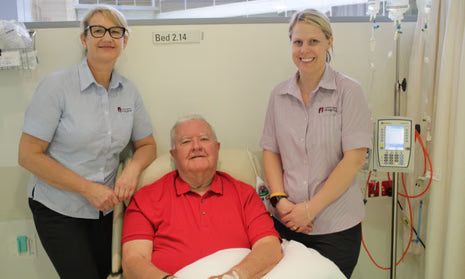
From Hopeless to Miracle — PET Scan: Masses Shrink From 6cm to 2cm
7.5cm Mass. 8 Months. Under 3cm — Nodes Totally Cleared.
The Protocol That Replaces the $30,000 Clinic Trip
| Genesis Protocol | DIY / Piecemeal | Integrative Clinics | |
|---|---|---|---|
| Structured Protocol | ✓ Complete 30-day plan | ✗ Self-assembled | ✓ Clinic-guided |
| Monthly Cost | $349 ($299 autoship) | $200-400+ | $5,000-30,000+ |
| Includes Anti-Parasitics | ✓ Fenben + Ivermectin | ⚠ Source separately | ✓ Varies by clinic |
| Ingredient Synergy | ✓ 13 optimized together | ✗ Mix & match guesswork | ✓ Customized |
| Travel Required | ✓ Ships to your door | ✓ Order online | ✗ Often international |
| Dosage Guidance | ✓ Free e-guide included | ✗ Forum advice varies | ✓ Doctor-supervised |
| Money-Back Guarantee | ✓ 90-Day Full Refund | ✗ None | ✗ Rare |
Leading Researchers Speak Out: The Power of Repurposed Protocols

Dr. William Makis
"Repurposed supplements are the future: Ivermectin, Mebendazole, Fenbendazole and much more. Thousands of patients on repurposed protocols are already seeing results that challenge conventional expectations."

Dr. Jane McLelland
"Conventional treatments can be combined with repurposed supplements to block the known pathways abnormal cells rely on and to directly target dysfunctional stem cells for best outcomes."
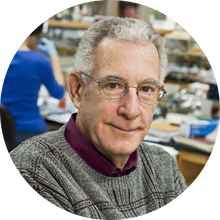
Dr. Thomas Seyfried
"No abnormal growth we have ever studied — and I've published the papers — can survive without glucose and glutamine. Starve those two fuels, put the body into nutritional ketosis, and the dysfunctional cells get hammered and slowly die."

13 Peer-Reviewed Studies. 10 Documented Recoveries. Read Them Yourself.
Every compound has published research behind it. The problem was never the evidence — it's that nobody assembled 13 of these compounds into a single protocol patients could actually run. Read the studies yourself.
Ivermectin as a Potential Anticancer Drug — Inhibits proliferation, metastasis, and angiogenesis across multiple tumor types. Read study →
Fenbendazole Induces Pyroptosis in Breast Cancer Cells — Triggers inflammatory cell death via HK2/caspase-3/GSDME pathway. Read study →
Unexpected Antitumorigenic Effect of Fenbendazole with Vitamins — Demonstrates synergy with vitamins to suppress tumor growth. Read study →
Anti-Cancer Effects on 5-FU-Resistant Colorectal Cancer — Fenbendazole overcomes drug resistance in colorectal tumor cells. Read study →
Ivermectin + Checkpoint Inhibitor for Triple-Negative Breast Cancer — Synergy with immunotherapy in preclinical models. Read study →
Ivermectin, Mebendazole, and Fenbendazole in Cancer Treatment — Mechanisms including tumor stem cell targeting and immune modulation. Read study →
Repositioning Antiparasitic Drugs for Tumor Treatment — Avermectins and benzimidazoles in tumor therapy. Read study →
Fenbendazole Nanoparticles in Ovarian Cancer — Inhibit ovarian tumor growth in vitro and in vivo. Read study →
Ivermectin Augments Pitavastatin in Ovarian Cancer — Enhances statin-induced cell death. Read study →
Stage IV Genitourinary Malignancies — Complete Remission (3 Cases) — Three patients achieved documented complete remission on Fenbendazole 1,000mg 3x/week. Peer-reviewed and published in Cureus, 2021. Read case series →
Small Cell Lung Cancer — Documented Remission — A patient with small cell lung cancer experienced complete remission after adding Fenbendazole. Published case report in a peer-reviewed journal. Read case →
Fenbendazole Antitumor Activity in Human Xenograft Models — Published preclinical data showing significant tumor suppression in multiple cell line studies. Read study →
Ivermectin + Doxorubicin — Enhanced Apoptosis in Solid Tumors — Combination research showing additive effects in clinical model studies. Read study →
Frequently Asked Questions
The Genesis Protocol is a complete 13-in-1 bundle formulated as supportive care. It targets the metabolic root causes — such as mitochondrial dysfunction — by disrupting abnormal cell structures and fuel sources (Fenbendazole), inducing apoptosis in rogue cells (Ivermectin), and boosting healthy energy production (Liposomal Vitamin C). Synergized with anti-inflammatories, detoxifiers, and immune supporters, it aims to starve bad cells while empowering good ones.
Generally safe for adults, with ingredients backed by established research and use. Monitor for mild GI upset or fatigue during initial detox — start low in Week 1 to build tolerance. Not recommended for pregnant or nursing individuals. Always consult your doctor before starting.
Yes — it's designed to complement conventional approaches, potentially enhancing results by addressing metabolic flaws that standard treatments overlook. No major interactions are reported, but monitor closely with your specialist and share the full ingredient list.
Adjust based on your needs: Gentle (Fenbendazole 222mg/day, 3 days on/4 off); Intermediate (444mg/day, 3 on/4 off); Intensive (888-1,000mg/day). Ivermectin scales by body weight (0.5-2mg/kg). The bundle covers 30 days — your free dosing guide provides full scheduling, food timing, and adjustment guidance.
Yes — repurposed compounds like Fenbendazole and Ivermectin show promising effects in peer-reviewed studies including microtubule disruption, apoptosis induction, and metabolic targeting. Check our Evidence section for direct links to journals including Frontiers in Pharmacology, Nature, and the Journal of Orthomolecular Medicine.
Energy improvements and reduced fatigue often appear in 2-4 weeks. Significant measurable changes typically show in 3-6 months. Results vary — pairing with the free keto dietary guide, fasting protocol, and cycling plan can accelerate benefits.
Unlike piecemeal or generic options, this is an all-in-one 13-ingredient synergy targeting root causes — not just symptoms. It uniquely combines researched repurposed medications with supportive nutrients, with full dosing guidance. Sourcing these individually takes 200+ research hours and costs significantly more.
Produced in GMP-certified facilities with third-party testing for purity and potency. Buying directly from us ensures freshness and quality — no fillers, no middlemen.
Our team is available at help@genesisprotocolhealth.co. A real person reads every message. Every order also includes a comprehensive dosing guide and community access.